Assembling the Scenes
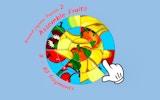
This game presents players with a collection of images featuring common farm animals such as cows, horses, and sheep. Each puzzle starts with the picture broken into numerous pieces that have been shuffled. The main objective is to drag these fragments from a designated area and place them correctly onto a grid to reconstruct the original image. A small reference picture remains visible throughout, providing a helpful guide for matching colors and shapes.
Choosing Your Challenge
Before starting a puzzle, players can select from several difficulty settings. These options adjust the number of pieces, making the task easier or more demanding. Beginners might start with a smaller number of larger pieces, while those seeking a longer activity can opt for a higher piece count. This flexibility ensures the experience remains accessible to younger players and engaging for adults.
Controls and Interaction
The game uses a straightforward drag-and-drop mechanism. On a computer, players click and hold a piece, then move it to the desired location. Touchscreen devices support the same action with a finger tap and slide. The interface is designed to be responsive, so pieces move smoothly without lag. There is no countdown timer or score system, allowing for a stress-free session where the focus stays on the puzzle itself.
Visual Style and Atmosphere
The artwork in this game features bright, friendly illustrations of animals in pastoral settings. Each image is composed with clear outlines and distinct color blocks, making it easier to identify where a piece belongs. The overall aesthetic is cheerful and inviting, contributing to a relaxed mood. The lack of sound effects or music keeps the experience quiet and focused, though players can play their own background audio if desired.
Approaching Each Puzzle
Many players find it helpful to start by locating the edge pieces, as these form the outer frame of the image. Sorting pieces by dominant color or recognizable pattern can also speed up the assembly process. The reference image is a valuable tool for spotting subtle differences in shading or object placement. Taking short breaks when progress slows can provide a fresh perspective and make the final placement more satisfying.







Comments
0 comments