Mission Structure & Objectives
Each assignment in Coordinated Strike Force begins with a detailed briefing that outlines the primary goals. These can range from securing a location to ensuring the safe passage of allies. The variety keeps each play session fresh, as no two tasks feel identical. Players must assess the situation and determine the best approach before moving forward.
Team Dynamics & AI Support
The squad operates as a unit, with computer-controlled members providing essential backup. They can move to advantageous positions and offer covering support during intense moments. Learning to trust and coordinate with these allies is key to overcoming obstacles. The game rewards players who use their team effectively rather than trying to handle everything alone.
Controls & Responsiveness
Movement and aiming are handled through intuitive on-screen inputs. The controls feel precise, allowing for quick reactions when the situation changes. Collecting resources like health packs and ammunition is straightforward, ensuring players can focus on the mission at hand. The interface is clean, minimizing distractions during critical moments.
Progression & Difficulty Curve
Early missions introduce basic concepts, giving newcomers time to learn the mechanics. As players advance, enemy behavior becomes more sophisticated, requiring smarter strategies. The difficulty increases gradually, providing a steady challenge without feeling unfair. This structure keeps both casual players and strategy enthusiasts engaged throughout the experience.
Visual & Audio Atmosphere
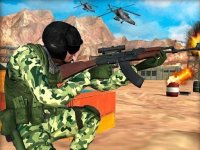
The environments are designed to feel grounded and immersive, with attention to detail in the surroundings. Sound effects enhance the sense of being in a high-stakes situation, from distant echoes to close-range interactions. The overall presentation supports the gameplay without overwhelming it, creating a believable setting for the squad's operations.




Comments
0 comments